



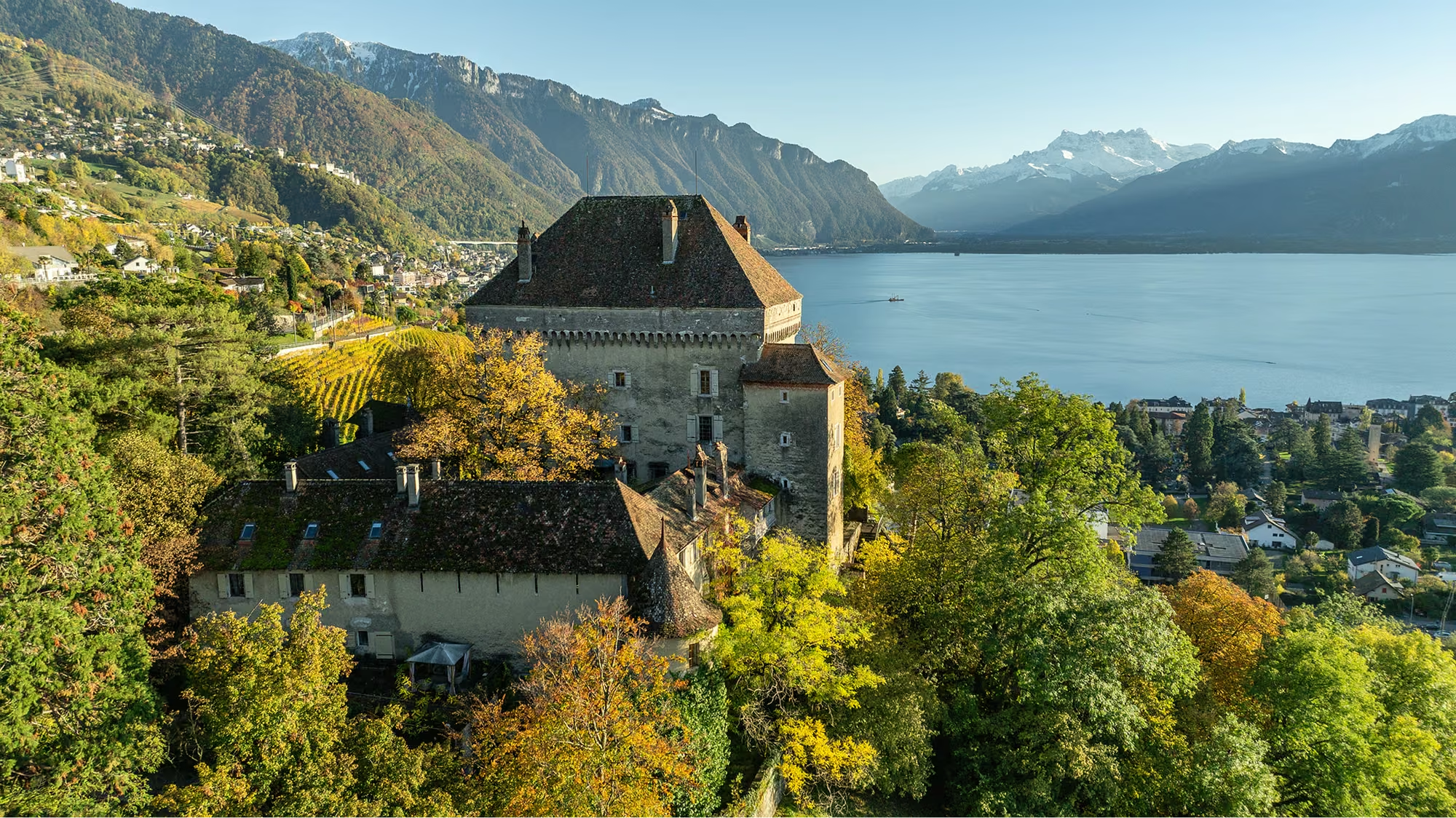

When walking along the stone pathways covered in moss, you may have the feeling that a baron or monk will come out of the wooden door of the castle, but do not be afraid — the Medieval atmosphere is strong here.
The signs and coats of arms throughout the territory of the castle will take your mind back in the times of barons and counts. The Middle Ages and modern times are intertwined.
The first castle on this hill was a wooden building of the Burgundians. Almost nothing of it remains, but the place has been a lookout over the lake for a thousand years.
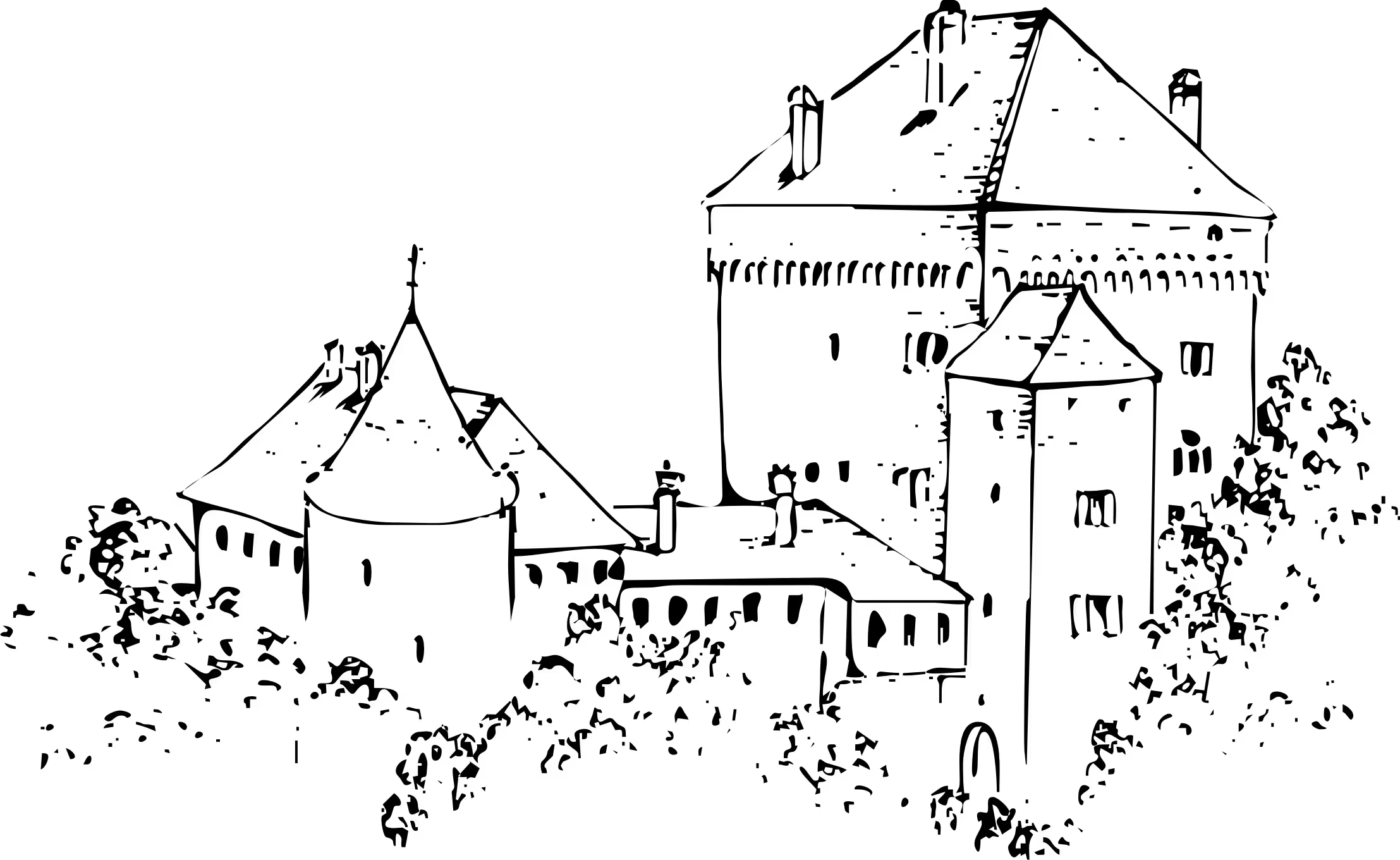
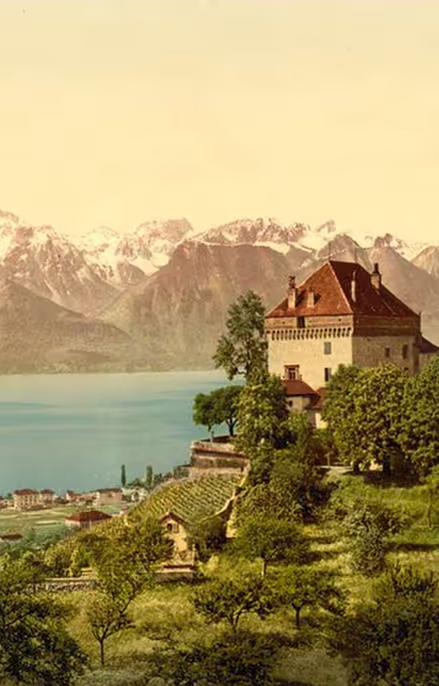
In 1352 Count Amadeus VI of Savoy asked François de La Sarraz to build a fortified refuge here. The work was carried out by Jean de Gingins, husband of Marguerite de La Sarraz, between 1440 and 1442: a square stone keep crowned with brick machicolations.
During the Burgundian Wars the army of Gruyère, supported by Gessenay and the Pays-d'Enhaut, pillaged the castle and set it partly on fire. The Gingins family lost the estate, and the castle was rebuilt.
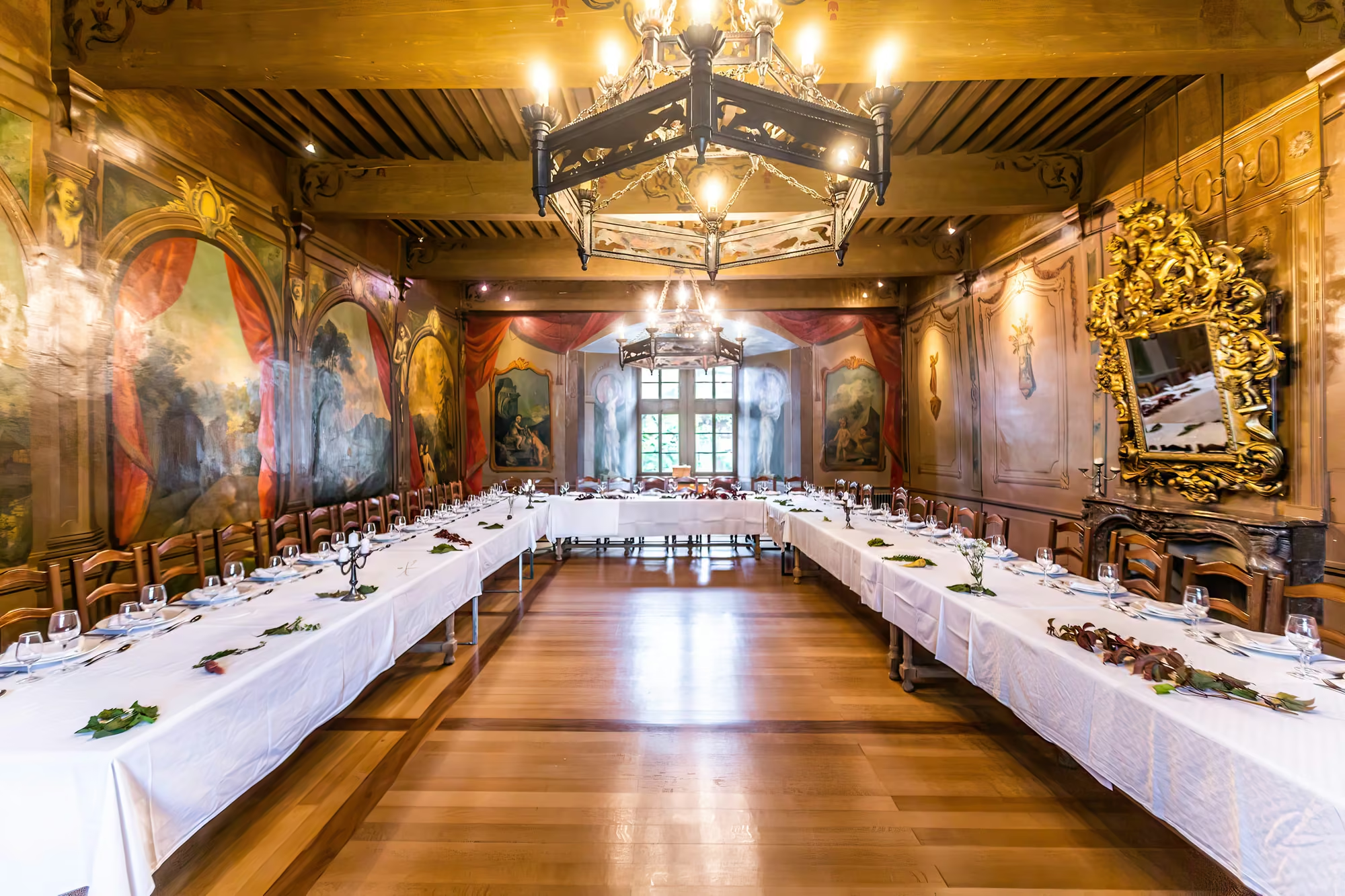
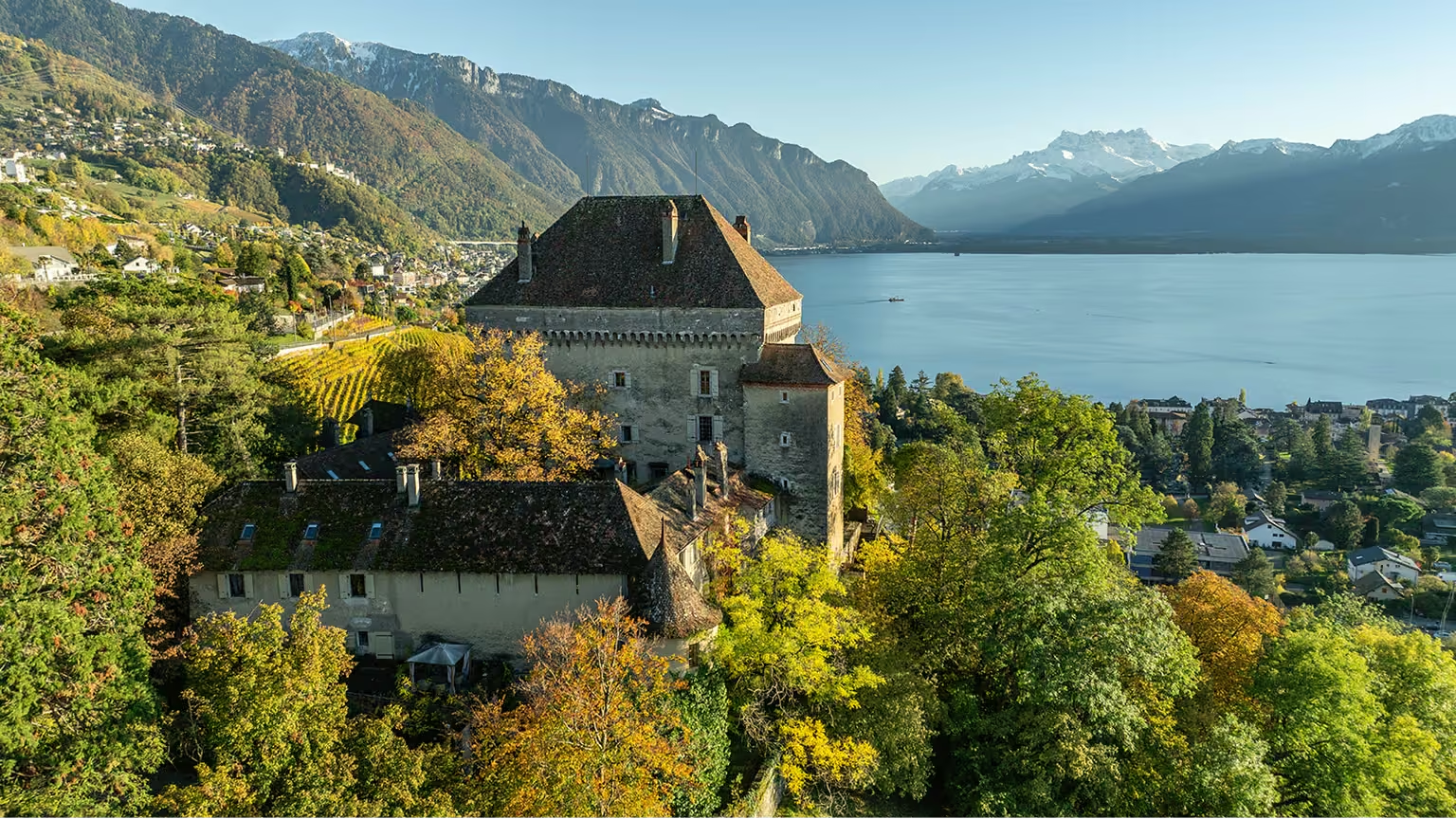
The estate passed through several hands before the Bernese family Bondeli made it their home until the Vaudois revolution of 1798. Around the 1770s the walls of the great hall were painted with a landscape, probably by Gottfried Locher.
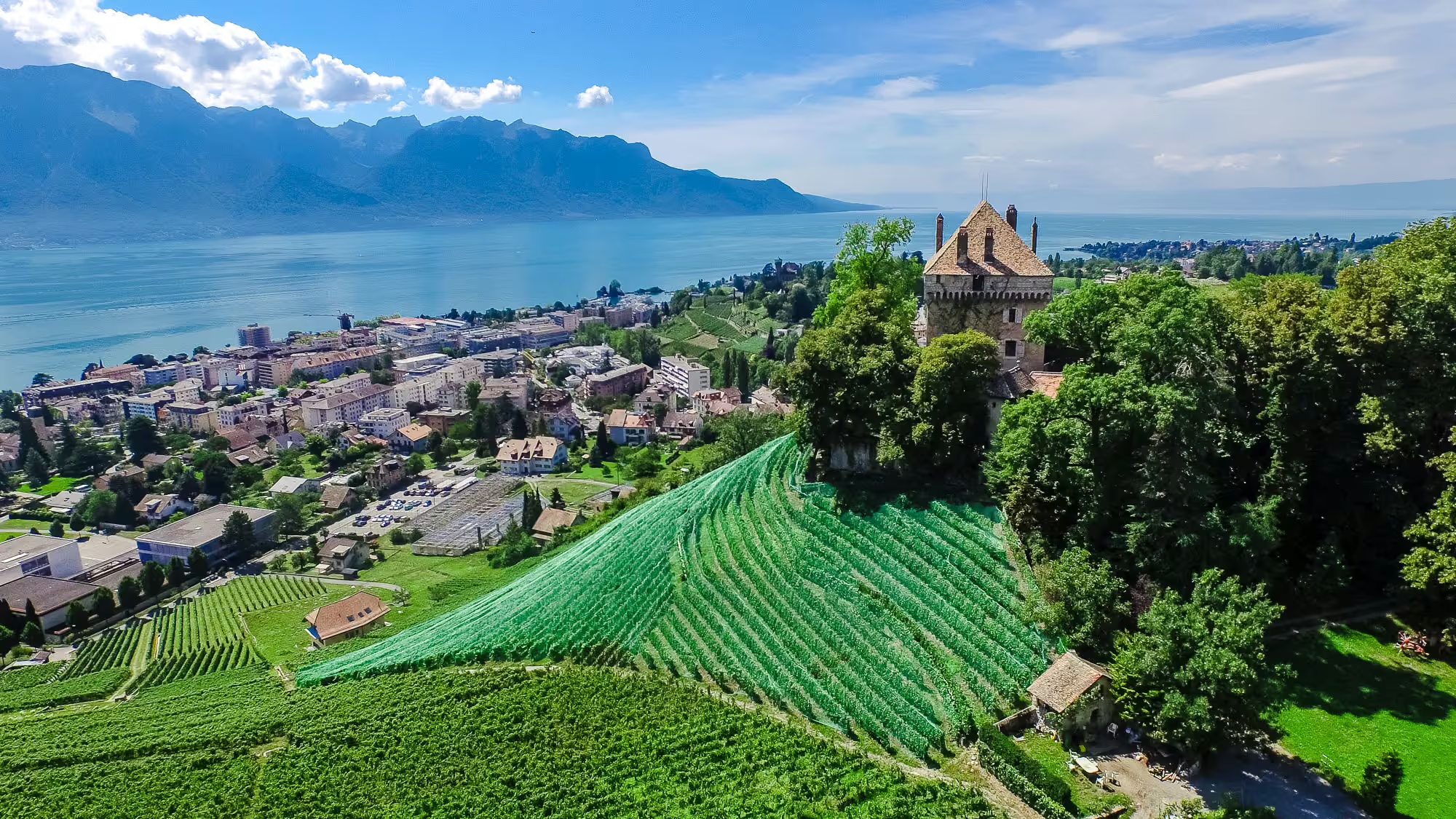
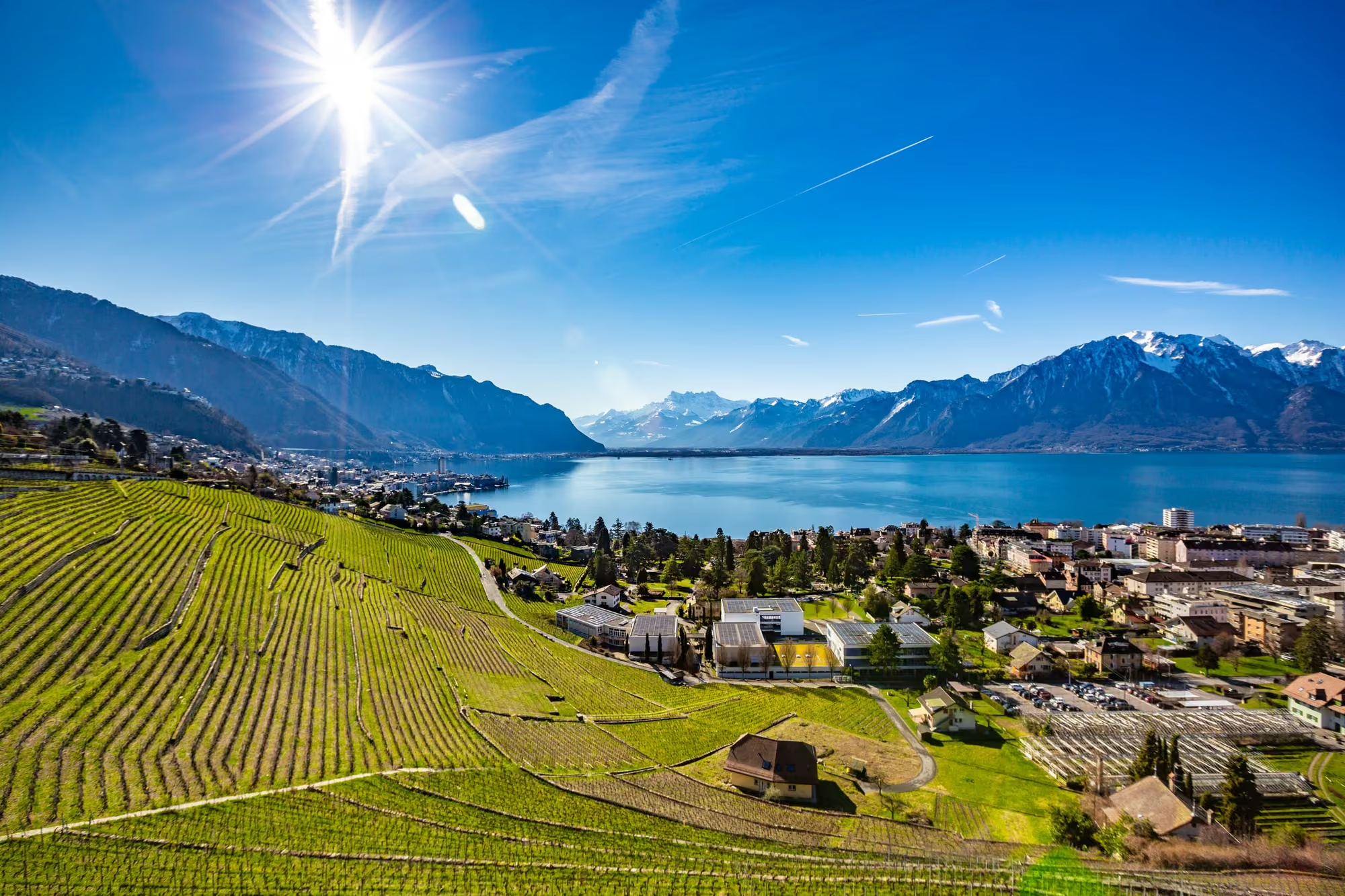
The communes of Le Châtelard and Les Planches merged into Montreux in 1961. The castle, a Swiss cultural property of national importance, stands in the middle of its 29,000 m² vineyard, which produces a Grand Cru pinot noir, Lavaux AOC. Its rooms are now apartments for guests and halls for celebrations.

“This was our first trip to Montreux and we had a wonderful time. … We also loved hearing the faint sound of Swiss cowbells coming from the cow pasture adjacent to our room. The view from Château du Châtelard is breathtaking.”
“This was such a gorgeous place to stay! The view is unbeatable, the apartment is a real treat, and the grounds are like a fairy tale. It's a quick walk down the hill to the town, and especially easy to get to the Montreux ferry landing to take the boat anywhere you'd like on the lake.”
“This is a beautiful place for our family to stay. It is full of personality and character and we really enjoyed it. The “chill zone” was an amazing place to have our dinner and look out over the lake, up at the mountains and across at the castle. … We would stay here again!”
“Excellent communication, super clean and beautifully decorated apartment with great views and authentic castle experience. All rooms in our apartment had individually controlled radiators so temperature could be increased to suit personal taste in each room.”
“One of a kind! We had a wonderful stay and the room was much better than the pictures show. … There are cute cows on the property, a wonderful terrace to relax in as well as the vineyards. I would definitely stay here again!”
“Amazing view. The castle is full of life and life of that time. … I did not want to leave. The castle has a very relaxing atmosphere.”
“How cool to say you're staying in a castle! The views are amazing- from the courtyard and the windows. The beds are comfy, the place is pretty spacious and overall I enjoyed my stay. Also it's actually really easy to walk down from the castle into town, or to the train.”
“We spent a really nice time at the castle enjoying the view and sunsets from the castle‘s court and outside lounge! … The hosts are very friendly!”


